



FODMAPs in Sports
FODMAPs: what they mean, where they’re found, and how they impact performance
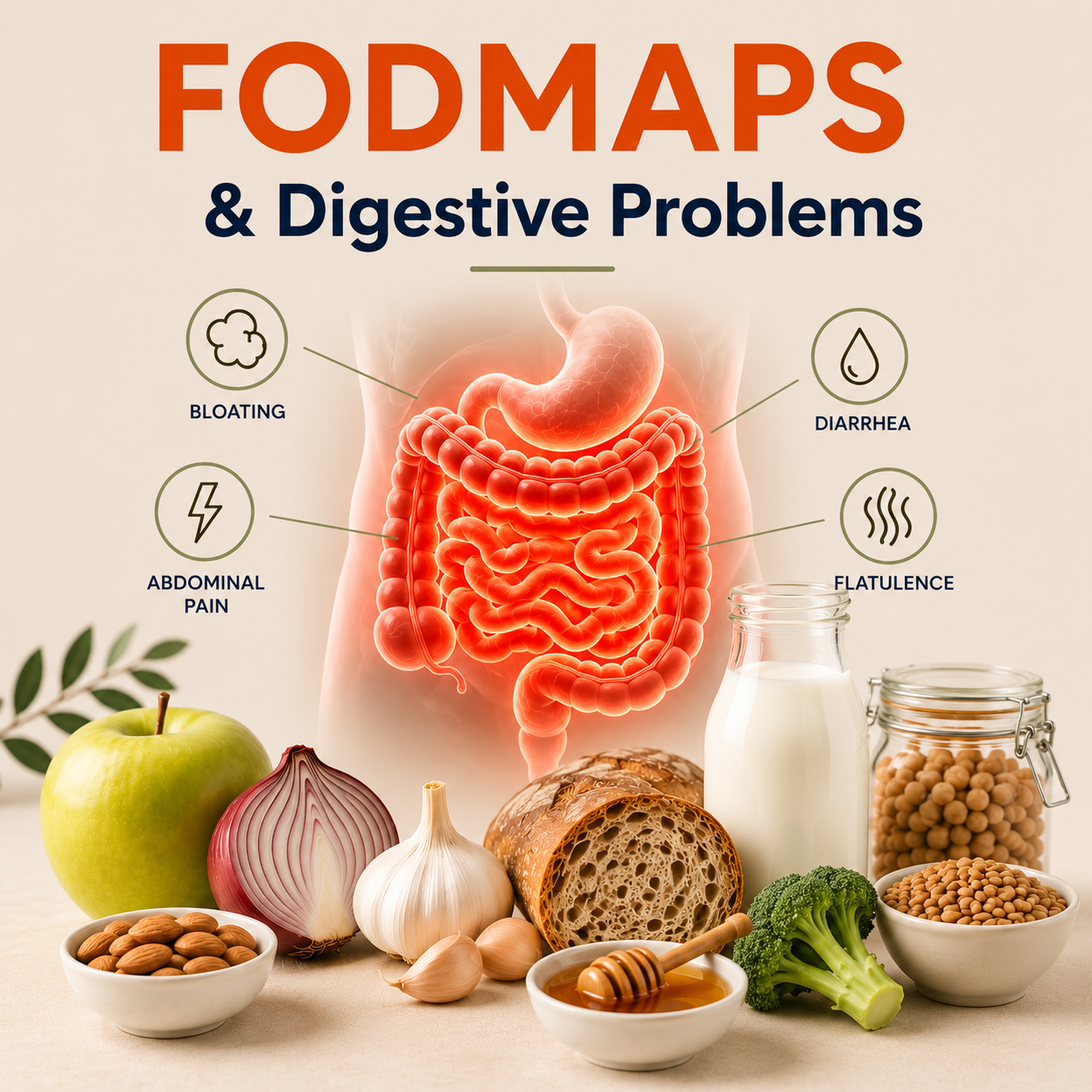
Digestive problems are among the most common complaints in endurance sports. Estimates suggest that up to 70% of endurance athletes experience symptoms such as bloating, stomach pain, or diarrhoea at least occasionally during training or competition (1). In recent years, FODMAPs have gained increasing attention in sports nutrition, as they have been linked to gastrointestinal issues in some athletes. But what role do they actually play and can reducing FODMAP intake help improve digestive issues?
What are FODMAPs?
What FODMAP stands for:
- Fermentable
- Oligosaccharides
- Disaccharides
- Monosaccharides
- and
- Polyols
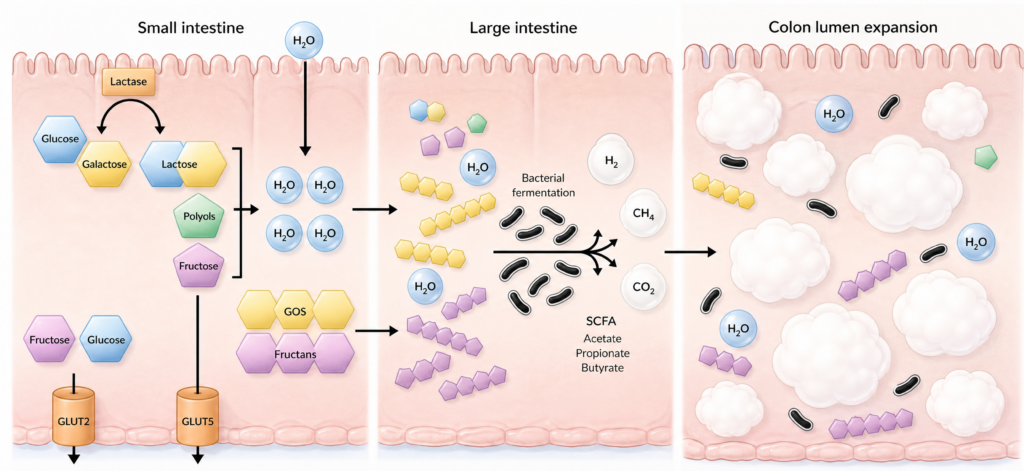
They are certain short-chain carbohydrates and sugar alcohols that aren’t fully absorbed in the small intestine. Rather than being completely broken down and taken into the bloodstream, they pass into the large intestine.
In the large intestine, gut bacteria use them as a source of energy and ferment them. This natural process produces gases such as hydrogen and methane. Many FODMAPs also draw water into the gut, which increases the amount of contents in the intestine (2).
For people with a sensitive gut, this extra distension can lead to symptoms like bloating, feeling overly full, stomach pain, or diarrhoea. These issues are especially common among people with irritable bowel syndrome (IBS).
Put simply:
Not fully absorbed → Reaches the large intestine → Fermented by gut bacteria → Gas production and increased water content → Digestive Issues
Why are FODMAPs relevant for athletes?
During hard exercise, blood flow to the gut changes considerably. The body focuses on delivering oxygen and nutrients to the working muscles, which means the digestive system temporarily gets less blood supply.
This physiological adaptation can lead to
- digestion slows down,
- the gut barrier is under increased stress,
- some foods may cause more digestive issues,
- gut discomfort during exercise may worsen.
When higher amounts of FODMAP-rich foods are added to the mix, sensitive people may have a much higher risk of experiencing digestive issues.
What foods are high in FODMAPs?
If you want to try a low-FODMAP approach for your training, it’s helpful to first know which foods are the main sources of FODMAPs.
Fructans and galacto-oligosaccharides (oligosaccharides)
These carbohydrates are found mainly in plant-based foods.
Foods with high FODMAP content:
- Wheat
- Rye
- Barley
- Onions
- Garlic
- Leek
- Chick peas
- Lentils
- Beans
Since the body can’t completely digest these substances, they pass into the large intestine almost as they are.

Lactose (disaccharide)
Lactose is the natural sugar found in milk.
Foods with high FODMAP content:
- Milk
- Evaporated milk
- Cream cheese
- Ice cream
- most Yoghurts
People who have lower lactase activity often react with symptoms like bloating, stomach pain, or diarrhoea.
Fructose (a type of monosaccharide)
Fructose is more likely to cause issues when there is more fructose than glucose in a food.
Foods with high fructose content:
- Apple
- Pears
- Mango
- Watermelon
- Honey
- Agave sirup
Many athletes also consume a lot of fructose through sports drinks, energy gels, or fruit juices.
Polyols (a type of sugar alcohol)
Polyols are often used as sweeteners and sugar substitutes.
Examples:
- Sorbit
- Mannitol
- Xylitol
- Maltitol
Commonly found in:
- Plumbs
- Apricotes
- Peaches
- Cauliflower
- Mushrooms
- Sugar-free chewing gum
- Diet products
Polyols are absorbed more slowly and can pull more water into the gut
Should athletes follow a low-FODMAP diet?
Healthy athletes do not generally need to follow a low-FODMAP diet. Many foods that contain FODMAPs provide important carbohydrates, fibre, vitamins, minerals, and prebiotics that help support a healthy gut.
However, reducing FODMAP intake can be helpful for athletes who regularly experience gut issues during training or races, or who have irritable bowel syndrome (IBS).
Studies show that a short-term low-FODMAP diet can reduce exercise-related digestive symptoms. In one study involving recreational runners, the overall score for gastrointestinal symptoms decreased by around 62% within seven days (3). Other research has shown improvements in symptoms like bloating, diarrhoea, loose stools, and bowel urgency among athletes who regularly experience digestive problems (4).
A low-FODMAP approach may be beneficial in the following cases:
- ongoing gastrointestinal symptoms during exercise
- digestive issues during competitions
- diagnosed cases of irritable bowel syndrome (IBS)
- frequent bloating or episodes of diarrhoea
In these situations, a personalised, short-term strategy may help ease symptoms without placing unnecessary restrictions on the overall quality of the diet.
What comes after a low-FODMAP diet?
A low-FODMAP diet shouldn’t be seen as a permanent solution. Many foods that contain FODMAPs provide important fibre and prebiotics that help support a healthy gut. Cutting them out unnecessarily over the long term may reduce the variety of gut bacteria and negatively affect the overall quality of the diet.
After the elimination phase, the different FODMAP groups should be slowly reintroduced. The aim is to identify which foods really cause symptoms and which ones can be enjoyed without issues. For most people, there is no need to avoid all high-FODMAP foods forever — the key is to understand their own personal tolerance.
We can help you improve your gut health — not just for now, but for the long term.
Every person is different, so there is no general answer to how this process will look for you or which foods may be causing your symptoms. Throughout our Nutrition Coaching, we help athletes identify their personal triggers, test food tolerance step by step, and create a sustainable nutrition strategy that supports both gut health and performance.
Conclusion
- FODMAPs can trigger symptoms such as bloating, stomach pain, and diarrhoea
- These symptoms are particularly common among endurance athletes
- A low-FODMAP diet may help reduce symptoms in the short term
- Healthy athletes usually do not need to follow long-term restrictions
- Once the elimination phase is complete, FODMAPs should be added back into the diet step by step
- he aim is to maintain a varied diet while identifying what works best for your gut



0 Comments