


Should athletes avoid alcohol entirely?
Here’s What You Should Know as an Athlete
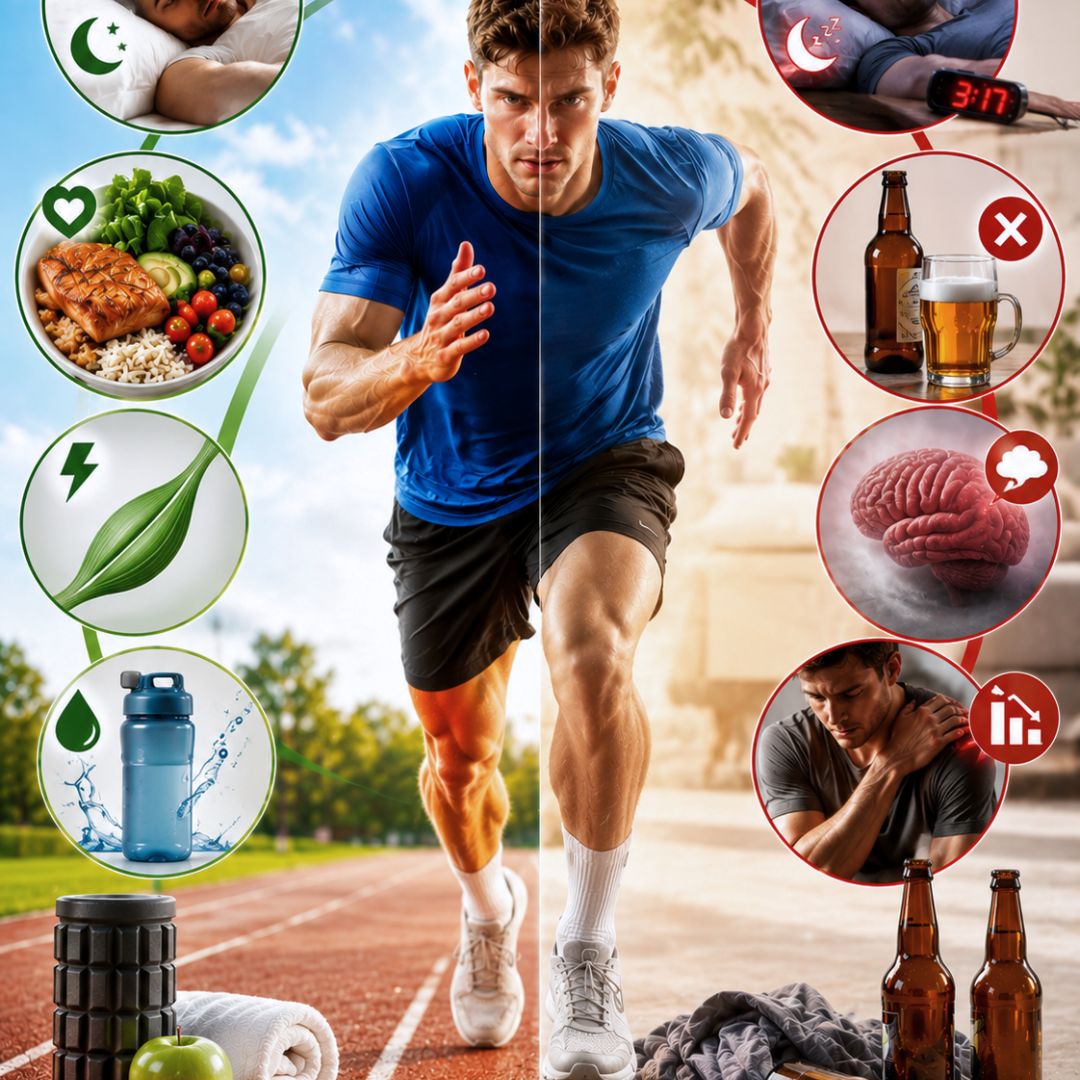
A beer after the game, a glass of wine in the evening—for many athletes, that’s just part of the routine. But does this really hinder Recovery, or are these concerns overblown? The answer almost always comes down to “quantity.” Here’s what the research actually shows—broken down by fluid balance, muscle protein synthesis, glycogen, muscle damage, sleep, and hormones.
Does alcohol affect fluid balance?
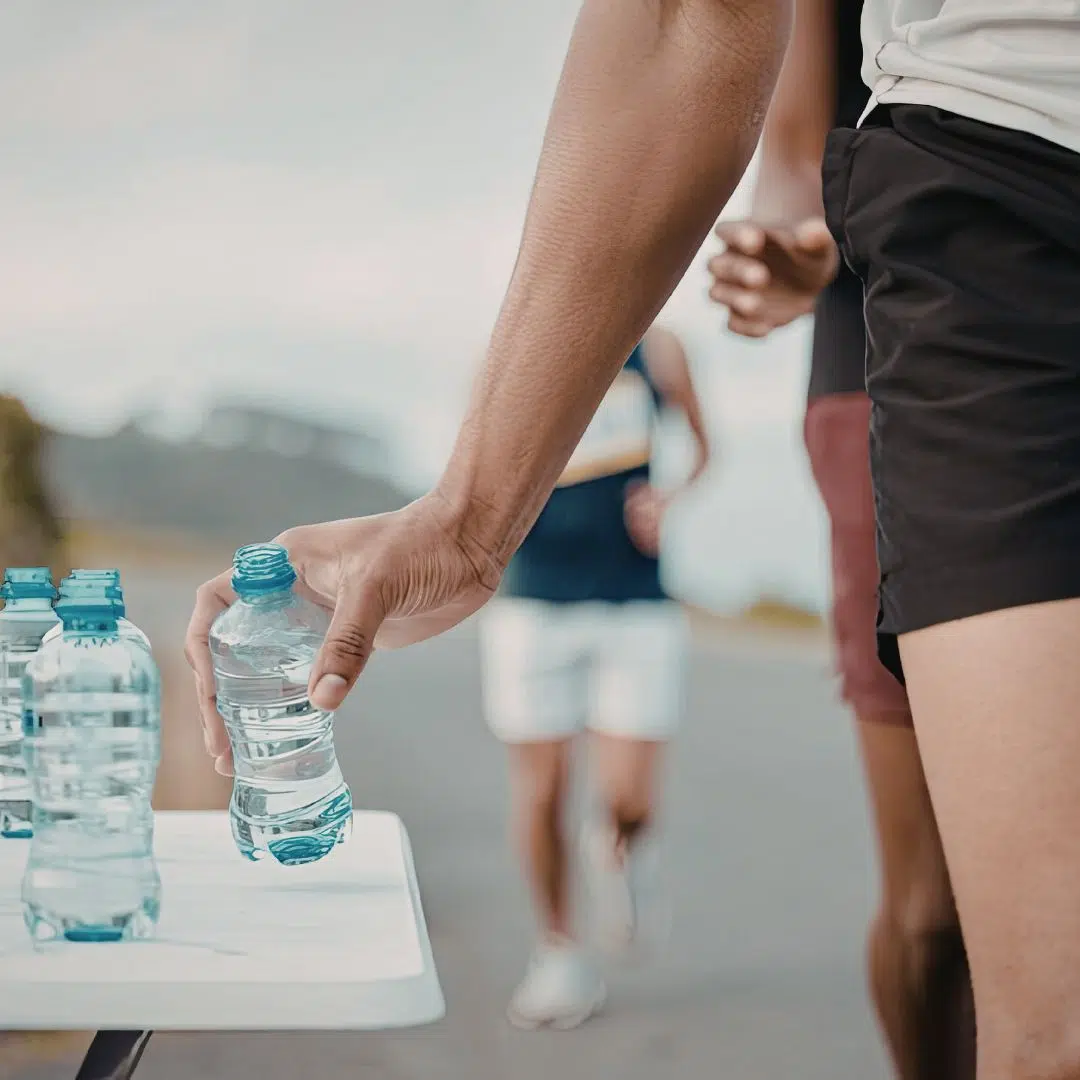
Yes, alcohol really is a “water thief” — though the effect is often overhyped. It blocks a hormone (vasopressin) that normally tells your kidneys to hold onto water. With less of it around, you flush out more fluid through urine instead of using it to replace what you’ve sweat out.
However, the classic study on this topic found a clear threshold effect: Participants were dehydrated by 2% of their body weight and then rehydrated with beverages containing 0%, 1%, 2%, or 4% alcohol. Only the 4% beverage (corresponding to standard beer strength, ~68g of alcohol in this study) measurably delayed the recovery of blood volume. The 1% and 2% variants did not differ statistically from the non-alcoholic control (1)
Faster excretion of urine
Studies based on real-world conditions confirm this. Soccer players who drank 0.7 L of beer (4.6%, ~25 g of alcohol) before a running workout showed no difference in sweat loss or hydration markers compared to those who drank non-alcoholic beer or water (2).
A cycling study involving 48g of alcohol (= 3.7 small beers) before training did indeed find a short-term increase in urine production, but at the end of the experiment, the overall fluid balance was identical to that of the non-alcoholic condition—the body was able to compensate for the faster fluid excretion. However, this study found a 7% increase in training heart rate, representing an additional cardiovascular workload independent of hydration (3).
When hydration levels are normal, 1–2 standard drinks have little effect on rehydration. It is when concentrated alcohol is used as a substitute for fluids after heavy sweating that the mechanism really kicks in.
Alcohol and Muscle Protein Synthesis
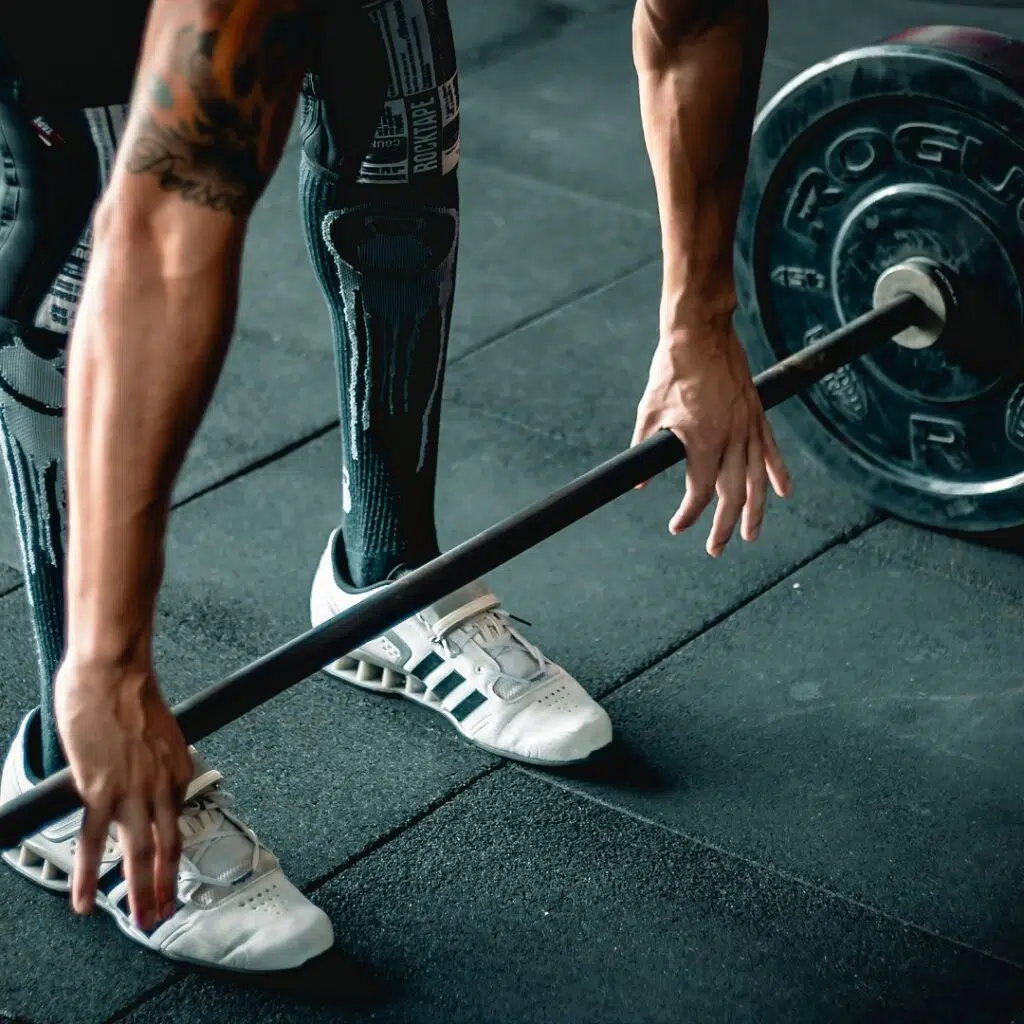
For anyone who works out regularly in the weight room, another question is often much more relevant than the one about hydration: What effect does alcohol actually have on muscle growth? Here’s the short answer up front, so you don’t have to wait until the end of the section to find out: It takes significantly more than just that one beer with your steak before anything even happens here.
The most important study on the topic took a straightforward approach: The researchers collected muscle tissue samples from the participants and tracked in real time how much new muscle protein was actually synthesized after the workout. The participants completed a strenuous session of strength and endurance training and were then given either pure whey protein, a combination of protein and alcohol, or alcohol along with carbohydrates instead of protein. The amount of alcohol was 1.5 grams per kilogram of body weight—for an average man, that’s roughly 10 to 12 standard drinks, meaning a full-on night of partying, not a laid-back barbecue.
At this amount, the result was clear: even with sufficient protein, muscle protein synthesis dropped by 24%. Without any protein at all—just alcohol and carbohydrates—it was down by as much as 37%. The reason lies at the cellular level—alcohol inhibits the very signaling pathways that the body actually wants to activate after a workout to switch into “now-I’m-building-muscle” mode (4).
It’s important to note that this study tested a single, very generous dose—not one beer, but ten to twelve. The effects of one or two drinks were never directly measured. So the “Alcohol destroys your muscles” headline refers to a completely different scale than a typical barbecue evening.
Alcohol and Its Effects on Hormones—Such as Testosterone?
A large meta-analysis of twelve different studies on alcohol and strength training recovery further supports this: Although testosterone and muscle protein synthesis tended to be slightly lower with alcohol, and cortisol slightly higher—no reliable pattern emerged across the studies regarding strength, power, the muscle damage marker creatine kinase, or inflammation markers (5). One study even found the exact opposite: testosterone levels were higher in the alcohol group than in the non-alcohol group 140 to 300 minutes after strength training, while cortisol levels remained unchanged (6).
The honest take: When it comes to hormones, the research is really mixed. When it comes to muscle protein synthesis, evidence shows that a very high amount is needed before anything measurable happens. That one beer with your steak is so far outside the range where any effect would even be expected that you can enjoy it with a clear conscience.
Glycogen: Displacement Rather Than Direct Sabotage
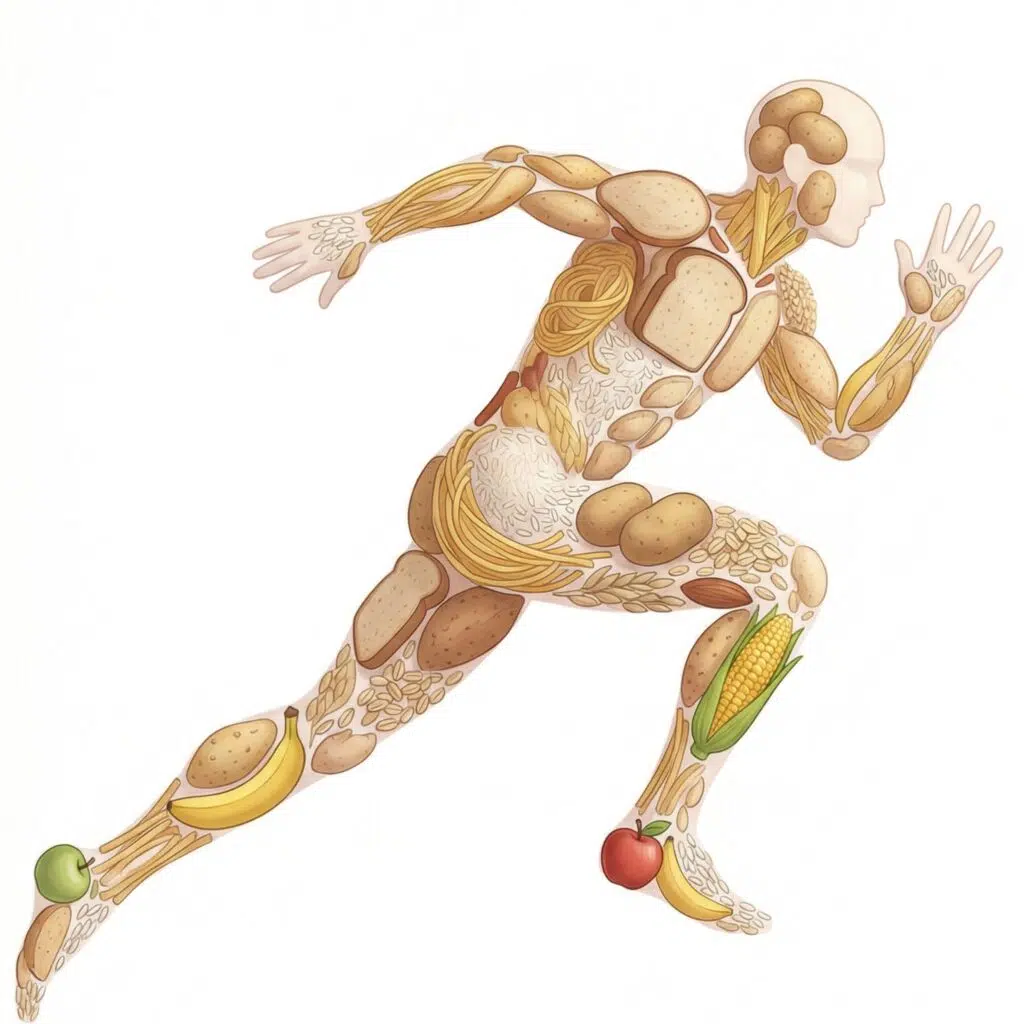
In addition to muscle building, glycogen—the form of carbohydrates stored in muscles and the liver—is the second major component of Recovery. And this is precisely where alcohol is often cited as the main culprit when your legs feel heavy the next day. But if you take a closer look at the research, the story is much more nuanced than its reputation suggests.
In the pivotal study, well-trained cyclists first underwent a training session designed to deplete their glycogen stores. They then followed a different dietary strategy on each of three separate days: once a high-carbohydrate control diet with no alcohol at all; once the same amount of alcohol (1.5 g/kg), which replaced a portion of the carbohydrates in the meal-plan; and once exactly that same amount of alcohol in addition to the full, unchanged carbohydrate intake.
When alcohol displaced the carbohydrates, glycogen storage was significantly lower than in the control group after both 8 and 24 hours. However, when the subjects received enough carbohydrates along with the alcohol, this difference narrowed to a barely measurable trend after 8 hours and had completely disappeared after 24 hours (7). In other words: Alcohol does not directly block the biological process of glycogen storage. The real problem is that it—in the truest sense of the word—takes up the space on the plate (or in the glass) that should actually be reserved for carbohydrates.
A very similar pattern also emerges when alcohol is consumed during exercise rather than afterward. With a small amount of alcohol (6 grams ≈ 0.5 beer), deliberately dosed to match the body’s maximum rate of alcohol breakdown exactly—neither glycogen utilization nor carbohydrate oxidation nor blood glucose levels changed during 120 minutes of cycling (8). However, when the amount was increased only slightly to about 22 grams of alcohol (≈ 1.7 beers) before a 60-minute time trial, carbohydrate oxidation decreased by 13%, blood sugar levels dropped, and heart rate was simultaneously higher (9). This again demonstrates that there is a threshold beyond which the amount really matters.
Eat enough carbohydrates along with it, and the glycogen effect of alcohol disappears almost completely
Muscle Damage and Strength Recovery
So far, so good for glycogen and (to a lesser extent) for muscle protein synthesis. But what if the muscles are already fatigued from the workout itself—for example, after a particularly tough leg day with lots of eccentric repetitions? Here, a surprisingly clear difference emerges, depending on the type of training that preceded it.
A research group led by Barnes had participants perform an intense, eccentrically focused quadriceps workout—precisely the type of exercise that typically causes the most muscle soreness—and then gave them 1 g of alcohol per kilogram of body weight (≈ 6.2 beers).
The result: The loss of strength—which was to be expected anyway (measured isometrically, concentrically, and eccentrically)—was significantly more pronounced 36 hours later than without alcohol (10). A follow-up study using the same dose even provided a possible explanation: It could be that the nervous system simply does not control the muscles as well after alcohol consumption, rather than the general state of intoxication being the sole cause (11).
Things get interesting when you repeat the same experiment with traditional, non-eccentric strength training—that is, what most athletes actually do in their regular training routine. Here, a completely different picture emerged: Regardless of whether the participants received a low dose (0.6 to 0.7 g/kg ≈ 4 beers) or a high dose (1.2 to 1.4 g/kg ≈ 8 beers) of alcohol, neither affected their strength, jump height, nor grip strength recovered any slower than without alcohol—even though the high dose did worsen the testosterone-to-cortisol ratio over the following 24 hours (12). It therefore appears to be primarily the type of training that makes the difference: alcohol seems to specifically “target” muscle tissue that is already damaged, rather than generally and across the board slowing down strength recovery.
This picture is also confirmed outside the lab, in the day-to-day reality of competition. One study gave rugby league players 1 g/kg of alcohol (≈ 7 beers) four hours after a real match and tracked their vertical jump, strength, and cognitive performance over 16 hours—one of the few studies using actual competitive exertion rather than simulated training. Vertical jump declined more sharply, while strength remained unchanged (statistically not significant with only nine participants)—only cognitive performance slowed significantly (13).
Sleep: The Most Sensitive System
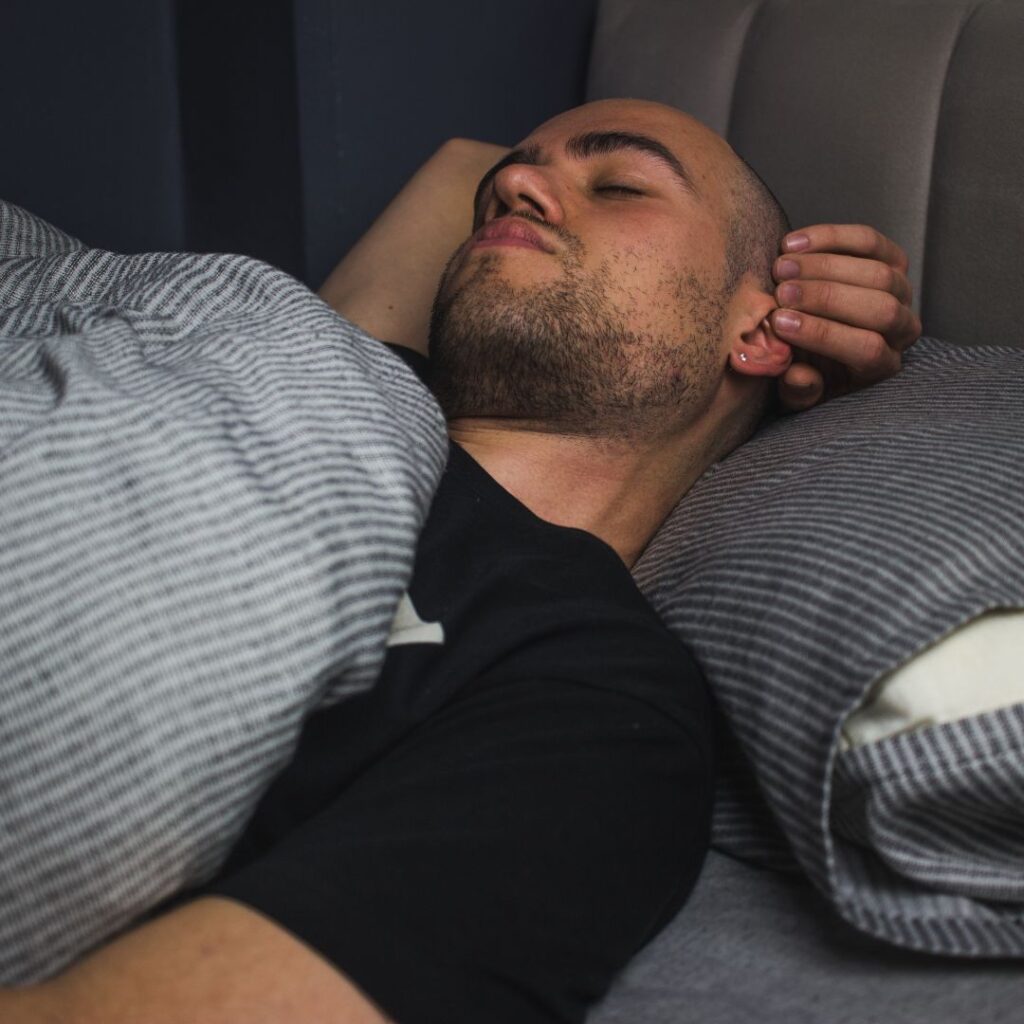
Muscles and energy stores thus prove to be surprisingly resilient—as long as the dose remains within reasonable limits. However, the situation is completely different when it comes to a very different component of Recovery, and this is precisely where research provides the most consistent picture of all the areas covered in this article: sleep. The mechanism behind it is also much more specific than most athletes realize.
An earlier, widely cited review article concluded that alcohol shortens the time it takes to fall asleep and makes the first half of the night more restful, but in turn causes the second half of the night to become more fragmented and restless—with the onset of the REM sleep phase being delayed at virtually every dosage (14). However, this study was later criticized for statistical weaknesses, as many of the underlying individual studies included only a very small number of participants. It should therefore be viewed as a rough guide rather than an exact figure.
Before we get into the study results, it’s worth taking a quick look at sleep architecture itself. A night consists of several cycles, each lasting about 90 minutes, and each cycle goes through different stages. Deep sleep (also known as slow-wave sleep) is the phase with the lowest brain activity—this is when it’s hardest to wake someone up, and the body uses this time primarily for physical repair: growth hormone is released, tissues repair themselves, and the immune system is active. REM sleep, on the other hand, is almost like a waking state for the brain—this is when the most vivid dreams occur, and this phase is responsible for cognitive processing, consolidating newly learned motor skills, and reaction speed. For athletes, this is no trivial matter: Deep sleep helps the muscles repair themselves, while REM sleep ensures that technique, tactics, and reaction time can be reliably accessed again the next day. It’s also practically relevant to know when each phase dominates: deep sleep occurs primarily in the first half of the night, while REM sleep occurs in the second half.
A more recent, very carefully conducted meta-analysis from 2024—which synthesized 27 individual studies and was co-authored by, among others, the renowned sports scientist Louise Burke—is significantly more reliable. It found a genuine, clear dose-response relationship: even at doses as low as about 0.35 to 0.50 g/kg—which is roughly two standard drinks—the onset of REM sleep was delayed, and its total duration was shortened. Only at significantly higher amounts (starting at about 0.85 g/kg) did the time it took to fall asleep also shorten measurably (15). What’s interesting is that deep sleep remained largely unaffected by all of this or even increased slightly during the first half of the night. It is specifically REM sleep that suffers here—and it is precisely this sleep phase that is responsible for cognitive processing, the consolidation of newly learned motor skills, and reaction speed the following day.
It is specifically REM sleep that is affected by alcohol—and it is precisely this sleep stage that is responsible for cognitive processing, memory retrieval, and reaction time.
This also provides a plausible explanation for something that had already been noted in other studies: the slightly impaired cognitive performance that some studies have observed during the recovery phase following alcohol consumption (16). After all, it is REM sleep—and not deep sleep—that plays a key role in ensuring that the mind functions clearly again the next morning. A recent study using smartwatches adds another, very practical piece to the puzzle: Over three consecutive evenings of moderate alcohol consumption (40g per day for women, 60g for men ≈ 3 / 4.5 beers), the participants’ nighttime resting heart rate rose from an average of 63.6 to 66.6 beats per minute—exactly the signal that wearables like Whoop, Oura, or Garmin would display the next morning as a lower “Recovery Score” (17).
Two additional studies confirm this: Measurements taken in a sleep lab showed that even 1–2 drinks increase nighttime heart rate and lower HRV (18). A wearable device study involving over 20,000 people confirmed this in everyday life—each drink increased RHR and decreased HRV in a dose-dependent manner, with a stronger effect in women and younger adults; drinking earlier in the day, getting more sleep afterward, and engaging in lighter exercise on the day of drinking mitigated the effect (19).
In concrete terms for recovery: RHR and HRV show how well your body shifts from “stress mode” into recovery mode overnight. If alcohol keeps your heart rate elevated and HRV suppressed, your nervous system stays stuck in activation mode instead of dropping into the parasympathetic state where actual regeneration happens. So it’s not just that you feel less rested or see a lower score on your wearable — your nervous system genuinely gets less recovery time.
Alcohol and Sports: Frequently Asked Questions
Does drinking a beer after a workout hinder muscle growth?
No, based on current research, that is not to be expected. The clearest evidence of a genuine reduction in muscle protein synthesis comes from a study involving a dose of approximately 10 to 12 standard drinks (4). The specific effects of one or two beers have simply not yet been investigated using this direct measurement method.
How much alcohol affects sleep quality?
The first measurable disruptions to REM sleep can occur after as little as about two standard drinks (15). This makes sleep—compared to all other areas examined here—the most sensitive recovery parameter of all.
Is it safe to drink alcohol the night before a competition?
Even a moderate amount can demonstrably disrupt REM sleep and increase the resting heart rate at night. This is likely to affect reaction time and mental performance the next day more than it does pure maximum strength or power. However, this has not yet been thoroughly investigated.
Does alcohol always cause dehydration after exercise?
Not necessarily—only at a certain concentration, roughly equivalent to the alcohol content of standard beer (about 4%), is there any measurable difference compared to normal rehydration without alcohol (1).
Key Points at a Glance
- Muscles/Fluids: Effects only begin at ~1 g/kg (6+ drinks)
- Sleep: most sensitive—even 1–2 drinks can disrupt REM sleep
- Hormones: inconsistent, sometimes contradictory
- Context: Alcohol + enough carbs/protein ≠ alcohol instead of carbs/protein
- In practice: Strength/power is less sensitive to moderate amounts, while reaction time/technique is more sensitive
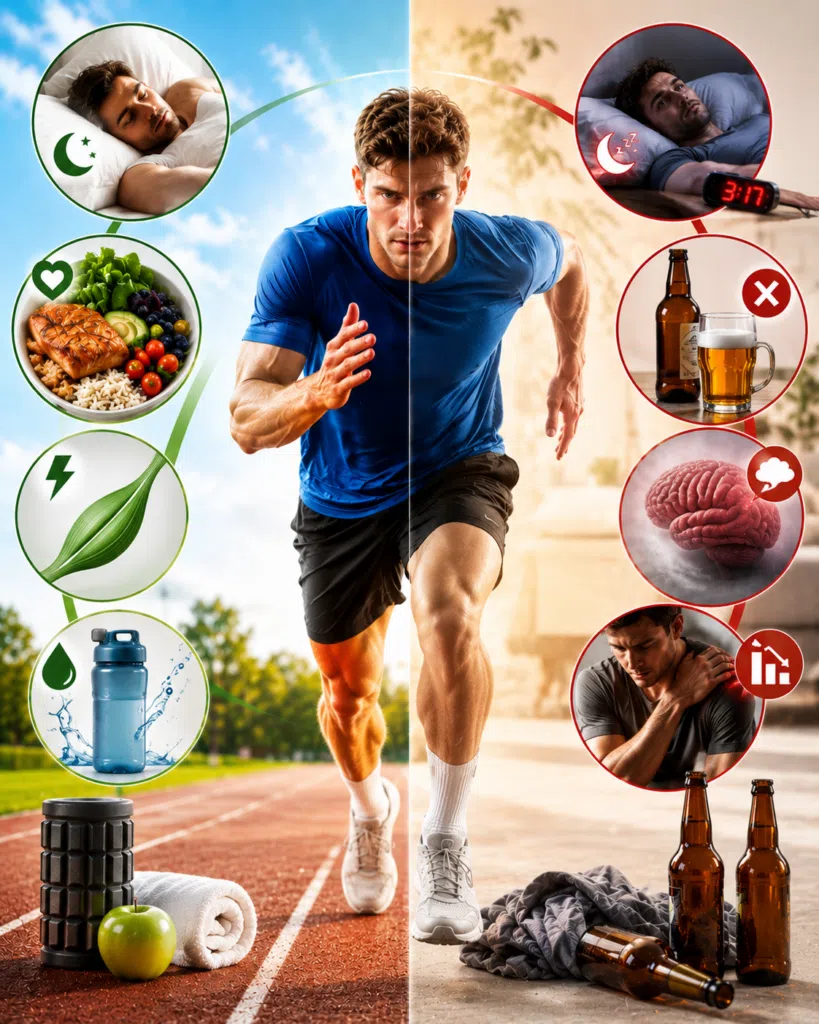
Neither the panic over that one beer nor the excuse “it doesn’t matter” is justified—the reality is a matter of dosage.
Nutrition Coaching


0 Comments